
If you own an older fireplace in Woodland Hills, you have probably asked yourself this: is it worth fixing, or is it time to replace it? Most of our fireplace insert installation Woodland Hills calls start the same way — a fireplace that hasn’t been lit in years. A sealed insert slides into your existing firebox, burns cleaner, and throws real heat into the room instead of sending it up the flue.
This post lays out both sides honestly. You will learn how inserts work, the signs that a repair is the smarter spend, the signs that an insert wins, and what the installation itself actually involves — so you can decide with facts instead of guesswork.
Is your Woodland Hills fireplace worth fixing — or replacing?
Every season we walk into homes where the fireplace has not been lit in years. Paint bubbled on the facing, a hairline crack in the firebox brick, a damper that sticks every winter. The question is never whether the fireplace could be patched — almost anything can be patched. The question is whether the patch is a good investment.
A repair makes sense when the structure is sound: a rusted damper, worn gaskets, a missing spark screen, or a flue that needs a standard cleaning. Those are maintenance items, and they cost a fraction of an upgrade. If your masonry chimney was built well, the liner is intact, and the problem is limited to one component, fix it and keep the fireplace you already like.
An insert starts to win when you are facing two or more problems at once. Cracked firebox plus a deteriorated clay liner. Smoke spilling into the room because the flue is undersized for the opening. A chimney that has been sealed off by a previous owner and would need major masonry work to reopen. In those cases, a fireplace insert installation gives you a new, self-contained firebox inside the old one — lined, sealed, and sized correctly — for often less than the cost of rebuilding what is failing around it.
There is also the efficiency side of the math. An open masonry fireplace sends most of its heat straight up the chimney; many draft-cooled Valley homes feel colder with the fire burning. A properly sized insert converts the same fuel into steady room heat. If you are heating a family room all winter, that difference shows up fast.
How a fireplace insert works, and why San Fernando Valley homes choose them
An insert is a factory-built firebox designed to fit inside an existing masonry or prefabricated fireplace. Gas inserts burn natural gas with a direct-vent system; wood inserts burn cordwood in a sealed, EPA-compliant chamber; electric inserts plug into a standard outlet and simulate flame without a chimney at all.
Each type connects to the chimney differently. A direct-vent gas insert uses two sealed pipes — one draws combustion air from outside, the other exhausts out — so nothing about your home’s indoor air is used for combustion. That sealed system is the reason gas inserts are such a good fit for tight, well-insulated homes and for rooms where the old chimney draft was never reliable.
Valley homes gravitate toward inserts for a practical reason: the fireplaces are old. Much of Woodland Hills, Tarzana, and Canoga Park was built between the 1960s and the 1980s, and those original wood-burning fireplaces were designed for looks, not efficiency. The masonry is aging, the clay liners are cracking, and the chimneys are often unlined. Instead of gutting and rebuilding a 40-year-old chimney, an insert lets you keep the surround you like and put a new, code-compliant heating appliance inside it. For more on how we approach full fireplace remodels, see our fireplace remodeling and installation services.
Woodland Hills masonry vs insert: what your chimney can actually hold
This is the local question that matters most, so let us get concrete about what we find in Woodland Hills fireplaces.
The typical Valley masonry chimney is a brick stack with a clay-tile liner, built before current clearances and seismic bracing standards. After 30 to 50 years of use, we commonly see spalled mortar, cracked tiles, and no liner at all in the smoke chamber. An insert does not care much about the outer brick — what it needs is a clear, correctly sized flue path from the insert to the top of the stack.
Before any install, the chimney gets a full inspection: we measure the firebox opening, check the liner with a camera, verify clearance to combustibles around the framing, and confirm the crown and flashing are shedding water. If the flue is damaged, the fix is a new stainless liner sized to the insert — installed with the insert as one job, not two. That is often the decisive cost comparison: one insert plus one liner, versus piecemeal masonry repair that still leaves you with an open, inefficient fireplace.
One warning from the field: after an earthquake, assume nothing. Tremors shift flue tiles and crack mortar joints in ways you cannot see from the hearth. If a quake has rattled the house since the last time you burned, get the chimney checked before you light anything — insert or no insert.
What a fireplace insert installation looks like, step by step
A standard install takes a day or two on site, and most of the work is in the chimney, not the living room. Here is the sequence we follow on every job.
Measuring, choosing the insert, and permitting
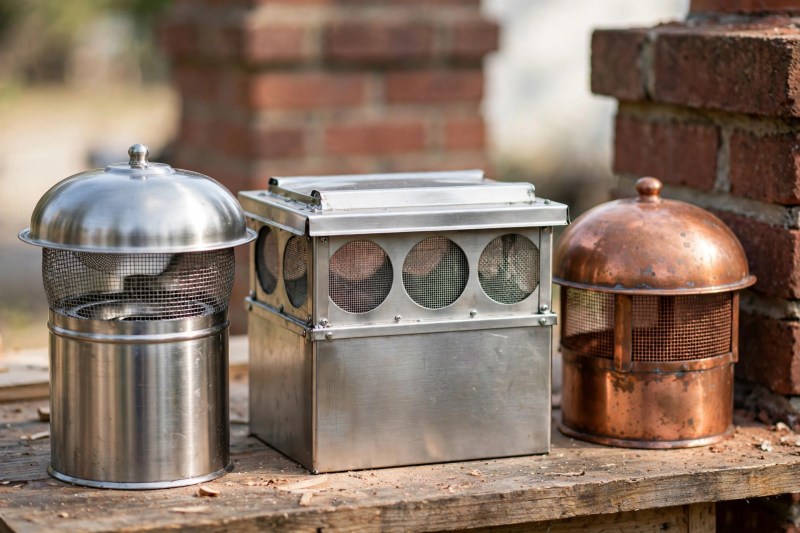
First we measure the firebox — width, height, depth, and the opening of the flue — and match an insert model that fits with the manufacturer’s required clearances. Venting type, fuel type, and heat output all get sized to the room, not the catalog picture. Pacific Fireside is a licensed contractor, California license #1105265, and we handle the permit with the city so the install matches local code. Homeowners should never assume a permit is optional for a gas appliance; gas work and venting changes are permitted work in Los Angeles.
Day-of work: what the crew actually does
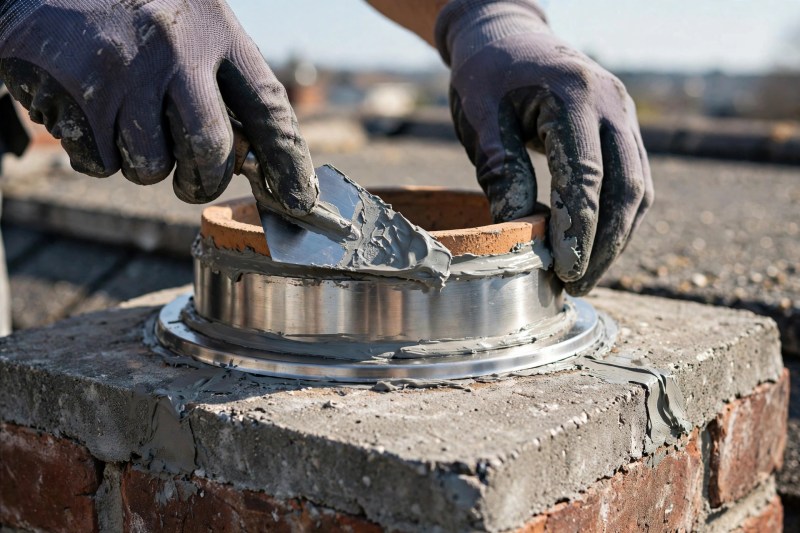
On install day the crew lays floor protection, removes the old damper and any smoke-shelf obstructions, and cleans the flue. Then the stainless liner goes up the chimney and gets connected to the insert’s flue collar, the insert slides into the firebox, and the surround panel covers the gap between the insert and your existing facing. Gas inserts get a new gas line run or an existing line pressure-tested, then the appliance is leak-checked, vented, and test-fired. We finish with a walkthrough: how to run the controls, where the manual shutoff is, and what to watch for on the first few burns.
Expect some dust despite the protection, and expect the fireplace to be out of use for the day. What you should not expect is masonry demolition — in the majority of Valley installs, the existing brick and facing stay exactly as they are.
Wood-to-gas conversion notes for older Valley fireplaces
A large share of fireplace insert installation work in the San Fernando Valley is really a fuel conversion: an old wood-burning fireplace that becomes a gas insert. It is the right move when you want heat without hauling wood, when smoke bothers anyone in the house, or when the flue is too damaged for safe wood burning but perfectly fine for a lined gas insert.
There are a few practical notes worth knowing before you commit. Gas inserts still need venting — direct-vent units go up the existing chimney, so you do not lose the chimney or the look of the house. The existing gas line may need upsizing, which is straightforward work for a licensed contractor. And clearances change: a gas insert throws less radiant heat onto the hearth than an open wood fire, but the manufacturer’s clearance numbers govern placement of the mantel, the surround, and any nearby woodwork — not habit.
If you live in Calabasas or West Hills, note that some HOAs and newer tract covenants restrict new wood-burning appliances outright. A gas insert almost always satisfies those rules, because it burns clean and vents through a sealed system. When in doubt, check your HOA’s fuel rules before choosing an insert type, and we will size the rest around that constraint.
FAQs about fireplace insert installation in Woodland Hills
How long does a fireplace insert installation take?
Most installs finish in one to two days once the insert and liner are on site. Lead time is the variable: specialty insert models can take weeks to order, and permits add their own queue. If you want the insert running before the holidays, start the measuring and ordering process in early fall, not December.
Can any existing fireplace accept an insert?
Most can, but not all. The firebox must meet the insert’s minimum dimensions, the chimney must provide a viable flue path, and combustibles around the firebox must meet clearance. Prefabricated (factory-built) fireplaces have a shorter approved list of insert models. The honest answer comes from an in-person measurement — specs from a tape measure, not from across the room.
Will an insert fix smoke spilling into my room?
Usually, yes. Smoke spillage from an open fireplace is most often a draft problem: an oversized firebox throat, an undersized flue, or a chimney that is too short relative to the roof. A sealed insert with a correctly sized liner solves the draft math by design. If smoke persists after an insert install, the remaining suspects are negative pressure in the house or a venting fault — both diagnosable, both fixable.
When should I call a professional instead of DIY?
Gas work is never DIY — call a licensed contractor. For wood inserts, call a pro when you see smoke indoors, a cracked firebox, water entry through the chimney, or any damage that appeared after an earthquake. The Chimney Safety Institute of America recommends annual inspection of any chimney in use, and that guidance applies before you light your first fire in an insert too.
The bottom line for your Woodland Hills fireplace
If the fireplace is structurally sound and your only issue is a worn part or a weak draft, repair it — that is the honest, economical answer. But if you are looking at cracked liners, a failing firebox, or an open fireplace that cools the room instead of warming it, a fireplace insert installation is the upgrade that solves the whole set of problems at once.
Pacific Fireside serves Woodland Hills and the surrounding Valley, including Canoga Park, Tarzana, Calabasas, and West Hills. Call Pacific Fireside at 818-464-6699 for an in-person measurement and an honest recommendation — we will tell you straight whether your fireplace is worth fixing or whether an insert is the better investment. Our office is at 6041 Variel Ave #432, Woodland Hills, CA 91367. You can also browse our recent project notes on the Pacific Fireside blog.


