
A chimney inspection before winter in Woodland Hills is the one appointment that stands between a cozy first fire and a chimney fire you never saw coming. Pacific Fireside inspects chimneys all over the west San Fernando Valley, and every October we find the same things: creosote left over from last season, caps knocked loose by Santa Ana winds, and flues that spent the summer as nesting space for birds. One visit before the cold snaps catches all of it.
Here is the short answer. A pre-winter inspection is a full walk-through of your chimney system — firebox, damper, smoke chamber, flue liner, crown, cap, and flashing — done before you light anything. If your fireplace has not been looked at in the past year, book now, not after the first cold weekend.
This guide is the exact checklist our techs work through on every fall inspection, the problems that turn up most after idle months, and how to time your appointment around the fall rush.
Can You Light Your First Fire Safely This Fall?
Probably not — at least, not until someone qualified has looked inside. Creosote, the flammable residue wood smoke leaves on flue walls, does not burn off or wash away over summer. It sits there. Add six months of dust, leaves, and nesting material on top of last winter’s glaze and you have the exact combination that starts chimney fires each fall.
The Chimney Safety Institute of America recommends an annual inspection for every chimney, used or not. That standard exists because the worst failures are invisible from the living room. A cracked flue liner looks perfectly normal until the first fire of the season fills the room with smoke — or worse.
Gas fireplaces are not exempt. A fireplace safety check before the first fire in Woodland Hills matters for gas logs and inserts too: the venting, pilot assembly, and connections all need a look, and gas brings a carbon monoxide risk that wood does not. Wood means watching for creosote; gas means watching draft and leaks. Either way, the move is the same — inspect before you light.
One more fall reality in this part of LA: the Santa Ana winds. A good gust can loosen a rain cap or rattle a chase cover on a prefab system. An open flue top invites debris, rain, and raccoons, and you will not notice it from the driveway.
Pre-Season Chimney Checks for Woodland Hills Homes
Before you call anyone, you can run a quick ground-level screening yourself. It takes ten minutes and it tells you whether to book urgently or on a normal timeline.
Walk out to the street and look at the chimney. Is the cap still there and sitting straight? Any white staining on the masonry — that chalky crust means moisture is moving through the brick. Check the flashing where the chimney meets the roof for gaps or lifted edges.
Back inside, open the damper. If it is rusted shut or barely moves, that needs attention before any fire. Sniff near the firebox on a warm afternoon — a strong stale-soot smell after months of sitting means the flue is holding last season’s residue. Shine a phone flashlight up from the firebox and look for twigs, nesting material, or daylight where it does not belong.
Woodland Hills chimneys take a particular beating. Summer attic temperatures over 100 degrees bake mortar crowns year after year, and that cycling cracks them. Tile liners are common in the 1970s and 1980s tract homes across Woodland Hills, Canoga Park, and Tarzana, and they age along their mortar joints. Palm fronds blow into open flues all summer, and West Hills catches more wind, so chase covers on prefab systems there take the worst of it.
These checks are screening only. They catch the obvious. They do not replace a technician on the roof with a camera in the flue.
What a Pre-Winter Chimney Inspection Actually Covers
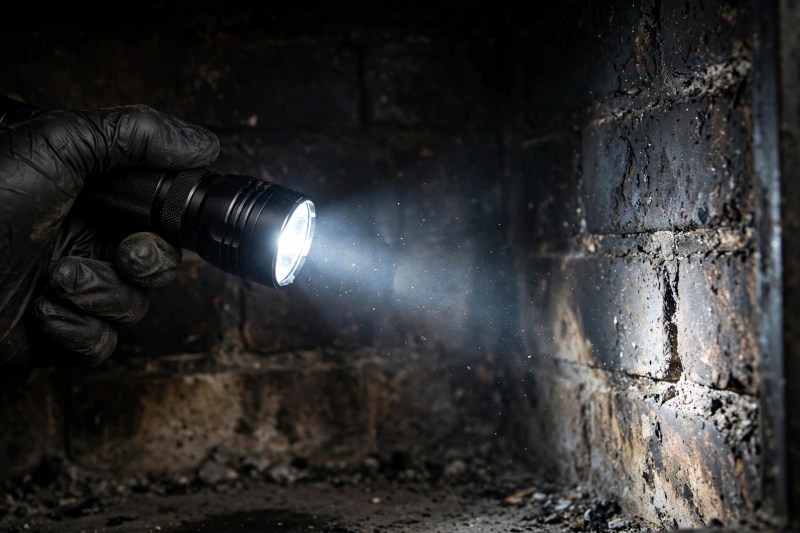
A real inspection is methodical. Here is what a thorough pre-winter visit works through, top to bottom.
- Exterior and roof walk. The technician checks the crown, cap, flashing, and masonry for cracks, gaps, and water entry points. On prefab systems, the chase cover and chase siding get the same treatment.
- Firebox condition. Firebrick and mortar joints take the most direct heat. Cracked or crumbling joints let heat reach the structure behind them.
- Damper operation. Throat and top-sealing dampers both need to open fully and seal when closed. A damper that will not seal leaks heated air all winter.
- Smoke chamber. The angled walls above the damper should be smooth parging. Corbeled brick with deep pockets collects creosote and slows draft.
- Flue liner camera scan. The heart of the inspection. A camera runs the full length of the flue, checking for cracked tiles, missing mortar joints, glazed creosote, and offsets that trap residue.
- Attic clearances. Where the flue passes through the attic and roof, combustible framing needs proper clearance — a common failure point in older homes.
- Gas system venting. For gas logs and inserts, the pilot assembly, gas connections, and vent pipe get checked, plus soot patterns that suggest incomplete combustion.
- Written findings with photos. You should leave with photos of anything found and a plain-language priority list: safety issues now, repairs soon, things to monitor.
If your system includes a gas insert, the venting check ties into the install quality. Our fireplace insert installation guide covers what a proper insert setup looks like, and the fall inspection is a good time to confirm your venting still matches that standard.
Problems That Hide in a Chimney After Idle Months
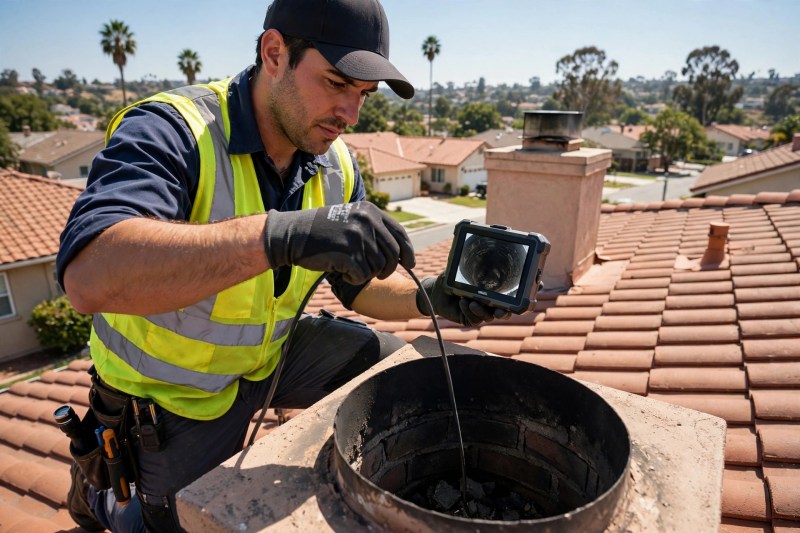
Six quiet months give small problems time to grow. These are the ones our techs write up most often on fall inspections.
Glazed creosote from last season. Stage 3 creosote — the shiny, hardened glaze — does not brush out with a standard sweep. It needs specialized removal, and it is the most flammable form of the residue. If you burned a lot of wood last winter, expect this conversation.
Nests and debris. Birds love a warm, quiet flue. So do squirrels and, occasionally, raccoons. A blocked flue does not just smoke you out — with gas appliances it can push carbon monoxide back into the house.
Rusted or stuck dampers. Summer humidity swings corrode damper hardware. A damper that closed in April may not open in November, and one that will not seal costs you heat all winter.
Cracked crowns and water entry. The crown is the concrete cap over the top of the masonry. Once it cracks, rain runs straight into the flue, and cold desert nights widen the damage with every cycle. After a wind event, a storm damaged chimney inspection — in Tarzana or anywhere along the Valley — is worth scheduling, because water entry rarely fixes itself. Our guide to chimney leaks after rain walks through how leak paths form and what the permanent fixes look like.
Spalling brick. When brick faces flake and fall off, moisture has gotten into the masonry. Left alone, it works inward toward the flue.
Call a pro right away — do not wait for a scheduled slot — if you notice smoke smell indoors when the fireplace is not in use, water stains on the ceiling near the fireplace, visible cracks or missing mortar on the chimney, animals in the flue, or anything that changed after the last big wind event.
How to Schedule Around the Fall Rush — and What to Ask
October is the busiest month of the year for chimney work. November slots fill before Thanksgiving, and by the first real cold snap everyone is calling at once. Booking your annual chimney inspection now — whether you are in Woodland Hills, Canoga Park, or Tarzana — means you get a choice of appointment times and, if the inspection turns up repairs, the crew can finish them before you actually need the fire.
When you call, ask a few direct questions. Is a camera scan of the flue included, or is that extra? Will you get photos and a written report? If the inspection finds repair work, what is the turnaround? And is the company licensed for the work it recommends? Pacific Fireside holds California contractor license #1105265, and any structural chimney work should be done by a licensed contractor.
Selling a home this fall? A home sale chimney inspection in Calabasas or elsewhere in the Valley is one of the cheaper ways to keep escrow smooth. Buyers’ inspectors flag chimneys constantly — cracked crowns, missing caps, broken dampers. Getting ahead of it with your own documented inspection means you price the repair on your terms instead of negotiating it off the sale price at the last minute.
For gas systems, ask specifically about venting and combustion checks, not just the masonry. And if the company finds nothing wrong, that is a good outcome. A clean report is what lets you light that first fire with total confidence.
FAQs About Chimney Inspections in Woodland Hills
How often does a chimney need an inspection in Woodland Hills?
Once a year, before the burning season. That is the CSIA standard, and it fits the Valley climate — chimneys sit idle through the long hot summer while heat, wind, and critters do their damage. If you burn wood several times a week all winter, add a mid-season check on creosote buildup.
Is an inspection really needed before the first fire of the season?
Yes, if it has been more than a year since the last one, or if you have never had one. The whole point of the pre-winter visit is catching problems while the fireplace is still cold. Lighting the first fire to “test” an uninspected chimney is how chimney fires start.
What happens if the inspection finds a cracked flue liner?
A cracked clay tile liner is a safety issue, not a cosmetic one. The liner is the only thing keeping heat and combustion gases off the combustible framing around the chimney. Depending on the damage, the fix is either replacing the broken tiles or installing a new stainless steel liner inside the existing flue. A reputable tech will show you the camera footage, explain the options, and give you the repair in writing before any work starts.
I’m selling my home — should I get the chimney inspected first?
It is smart money. Chimney problems are among the most common items buyers’ inspectors flag, and a pre-listing inspection lets you fix or disclose on your own schedule. Bring the written report to the listing — it answers questions before buyers ask them and it removes one more thing that can stall a closing.
Get your chimney ready for its first fire. A chimney inspection before winter in Woodland Hills takes about an hour and answers the only question that matters in October: is this fireplace safe to light?
Pacific Fireside serves Woodland Hills, Canoga Park, Tarzana, Calabasas, and West Hills with licensed chimney inspection, sweeping, and repair work — California contractor license #1105265. Call 818-464-6699 or 562-222-3249, or stop by 6041 Variel Ave #432, Woodland Hills, CA 91367. Book the inspection now, while the fall calendar still has room, and light your first fire knowing the chimney is ready for it.


